Golden visa programs tend to get all the attention when it comes to residency options for foreigners in Europe. But not every path to European residency requires a major investment.
For those with reliable passive income, whether from a pension, rental portfolio, dividends, or savings, many European countries offer a simpler proposition: prove you can support yourself, and you’re welcome to stay.
These programs ask for no property purchase, no fund subscription, and no government donation. They ask only that applicants demonstrate a stable, sufficient income from outside the country.
For retirees, passive income earners, and individuals of substantial wealth who prefer not to tie up capital in a qualifying investment, independent means visas represent a compelling alternative.
Europe is home to 10 such programs. They vary considerably in income thresholds, minimum-stay requirements, and the paths they ultimately offer to permanent residency and citizenship.
Here is a country-by-country breakdown for all passive income routes to European residency, ordered from highest to lowest income requirement:
🇨🇭 Switzerland: Independent Means Visa (Lump-Sum Taxation Residence)
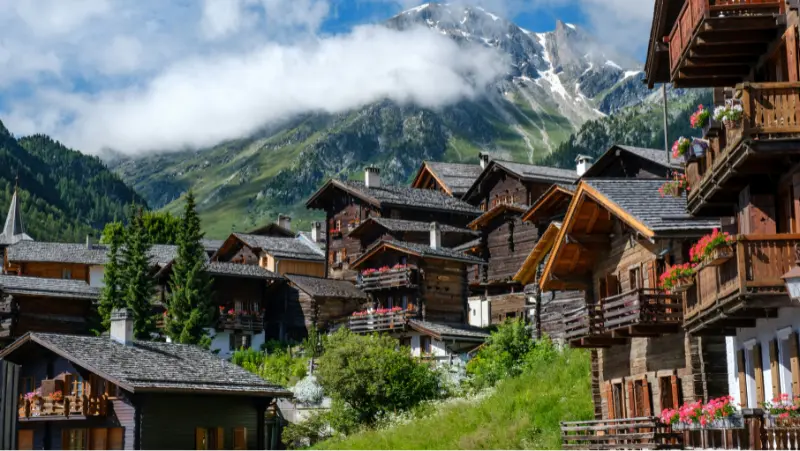
Switzerland’s program is the most financially demanding in this list, and it is not a golden visa in the conventional sense. There is no “investment” per se; rather, holders commit to an annual tax payment calculated on their living expenses rather than global income. It is a tool for high-net-worth individuals who wish to optimize their tax position while establishing legal residence in one of the world’s most stable, well-governed jurisdictions.
- Minimum income/tax commitment: A minimum annual lump-sum tax of CHF 400,000 (approx. €436,000), though cantonal requirements can push the effective annual commitment to CHF 1,000,000 or more. The exact figure is negotiated with the relevant canton. Paid employment in Switzerland is prohibited.
- Minimum stay: 180 days per year in Switzerland to maintain valid residence and the lump-sum tax regime.
- Path to citizenship: Permanent residency (C permit) is available after ten years of residence for most non-EU nationals (five years for EU/EFTA nationals). Swiss citizenship by naturalization follows after holding a C permit, subject to integration, language requirements (A1 written, A2–B1 spoken), and a clean record. The total timeline for non-EU applicants is generally 10 years. Lump-sum taxation ends upon naturalization.
🇱🇮 Liechtenstein: Independent Means Visa (Residence Permit B)
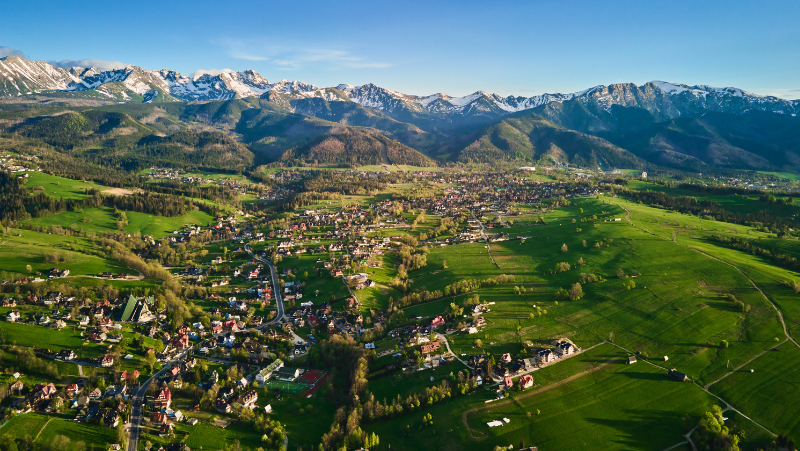
Liechtenstein’s program is subject to strict annual quotas (28 permits for non-EEA nationals), making it the most restricted program in Europe by volume. The principality offers exceptionally favorable tax conditions (a flat 12.5% tax rate on Liechtenstein-sourced income, with foreign income generally untaxed), an AAA-rated financial system, and a stable constitutional monarchy.
- Minimum income: At least CHF 100,000 (approximately €110,000) per year, plus proof of suitable accommodation.
- Minimum stay: No published minimum stay requirement, though permit holders cannot abandon their Liechtenstein residence without affecting permit validity.
- Path to citizenship: This is the most demanding citizenship pathway in this list. The standard route requires 30 continuous years of residence. This may be reduced to ten years with government permission, subject to demonstrated full integration and German language proficiency. Naturalization is discretionary.
🇮🇪 Ireland: Independent Means Permission (Stamp 0)
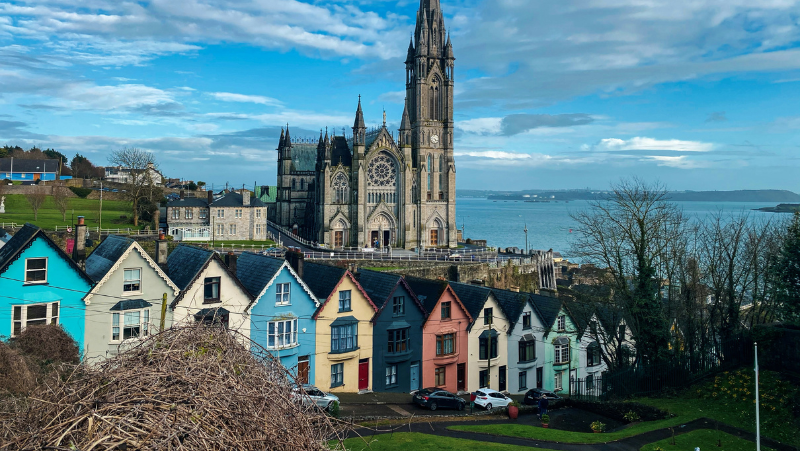
Ireland’s income threshold is among the highest in Europe for a non-investment residency route. The absence of a citizenship pathway makes it structurally different from most other programs in this list. It suits individuals who wish to spend extended time in Ireland without working, but who do not need or expect a route to a second passport.
- Minimum income: €50,000 per year for a single applicant; €100,000 per year for a couple. Income must be verified by an Irish-based accountant. Investment funds do not count toward the accessible funds requirement.
- Minimum stay: No formal minimum, but applicants must maintain the conditions of their permission.
- Path to citizenship: None directly. Stamp 0 is a temporary permission, not a pathway. Holders who wish to pursue long-term residency or citizenship must transition to a different immigration category. This is a material limitation that applicants must understand before applying.
🇬🇷 Greece: Financially Independent Person (FIP) Visa
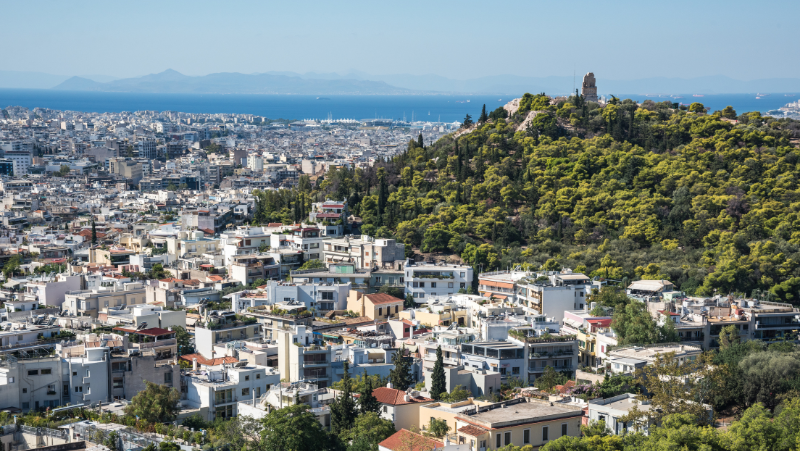
Greece’s FIP program underwent a significant tightening in 2024. The monthly income threshold rose from €2,000 to €3,500, making it one of the more demanding passive income programs in Europe by income standard. The permit is valid for two years and is renewable.
- Minimum income: €3,500 per month net for the main applicant (updated under Law 5038/2023, effective January 2024). An additional 20% is required for a spouse and 15% per dependent child. Income must originate from outside Greece.
- Minimum stay: Up to 6 months per year outside Greece is permitted; holders must spend the majority of the year in Greece to maintain their permit.
- Path to citizenship: Permanent residency is available after five years of legal residence. Greek citizenship eligibility follows after seven years, subject to language and integration requirements.
🇪🇸 Spain: Non-Lucrative Visa
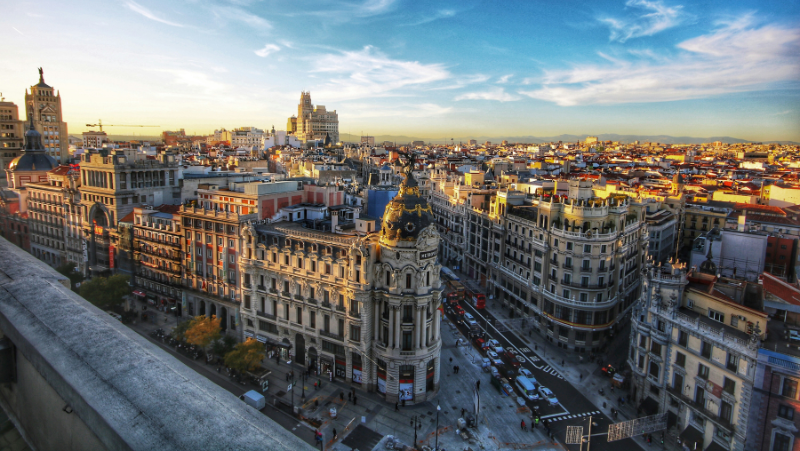
Spain suspended its Golden Visa program in April 2025, and the Non-Lucrative Visa has absorbed much of the resulting demand. As a result, consulates are applying stricter documentation standards. Employment and local business activity are prohibited; since 2026, consulates have begun requiring formal proof (such as a termination letter or notarized affidavit) that applicants have ceased all employment and business activities before applying.
- Minimum income: €2,400 per month (€28,800 per year) for a single applicant in 2026, calculated at 400% of Spain’s Indicador Público de Renta de Efectos Múltiples (IPREM). Each additional family member adds €600 per month. Income must come from passive, non-Spanish sources.
- Minimum stay: No minimum stay is required to maintain the initial one-year permit. However, tax residency is triggered at 183 days, and to qualify for permanent residency after five years, substantial presence is expected.
- Path to citizenship: Permanent residency is available after five years of legal residence. Spanish citizenship by naturalization generally requires ten years of residence. Citizens of Latin American countries, the Philippines, Equatorial Guinea, Andorra, and Portugal may qualify after just two years.
🇮🇹 Italy: Elective Residence Visa (Residenza Elettiva)
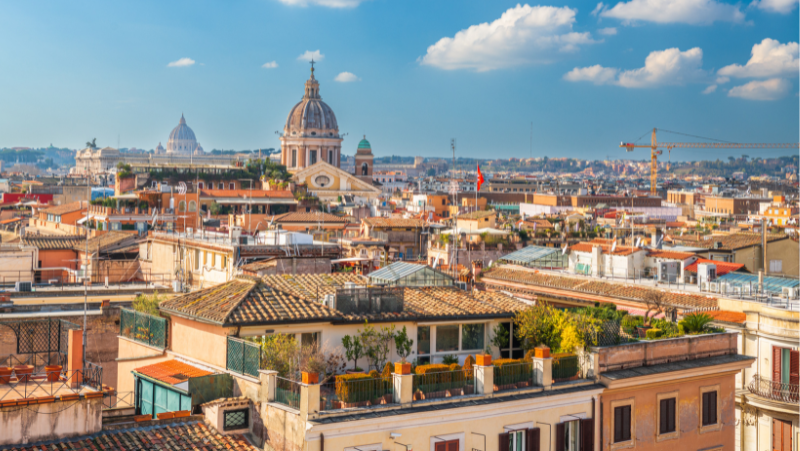
Italy’s program is sometimes described informally as a “retirement visa,” though there is no age restriction. The key constraint is that income must be genuinely passive; any active employment or remote work for a non-Italian employer is prohibited. Italy also offers a flat 7% tax regime on foreign income for retirees who relocate to qualifying southern municipalities, and a €300,000 annual flat tax option for high-net-worth individuals, making this program one of the more tax-friendly in Europe.
- Minimum income: Approximately €31,000–€32,000 per year for a single applicant, sourced entirely from passive income (pensions, dividends, rental income, royalties, or interest). The threshold is roughly doubled for each additional family member.
- Minimum stay: Holders must maintain actual residence in Italy; interruptions of more than six consecutive months can invalidate the permit and render it non-renewable.
- Path to citizenship: Permanent residency is available after five years of legal residence. Italian citizenship is available after ten years, subject to language requirements and a clean tax record.
🇦🇹 Austria: Independent Means Visa
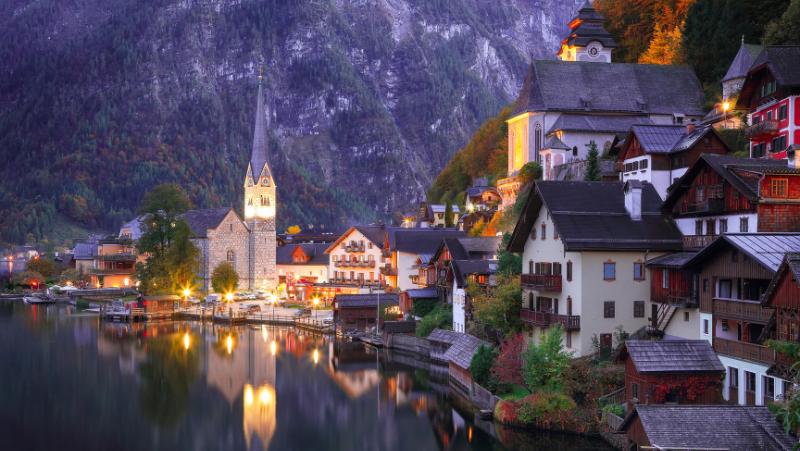
Austria’s program is quota-regulated, meaning a fixed number of permits are issued each year. Slots fill quickly, particularly in popular regions. Applicants cannot work or operate a business in Austria while holding this permit; income must originate from foreign sources such as pensions, dividends, or rental income. The permit is initially issued for one year and is renewable annually.
- Minimum income: Approximately €24,000–€32,000 per year for a single applicant (figures vary by canton and household composition; the statutory reference is approximately €2,061 per month for a single adult in 2025, with higher thresholds for couples and dependents).
- Minimum stay: 183 days per year to maintain valid residency.
- Path to citizenship: Permanent residency is available after five continuous years of legal residence. Citizenship eligibility follows after a total of ten years, subject to German language proficiency (B1 level for permanent residency, higher for naturalization) and other integration requirements.
🇱🇺 Luxembourg: Residence Permit for Private Reasons (Vie Privée)
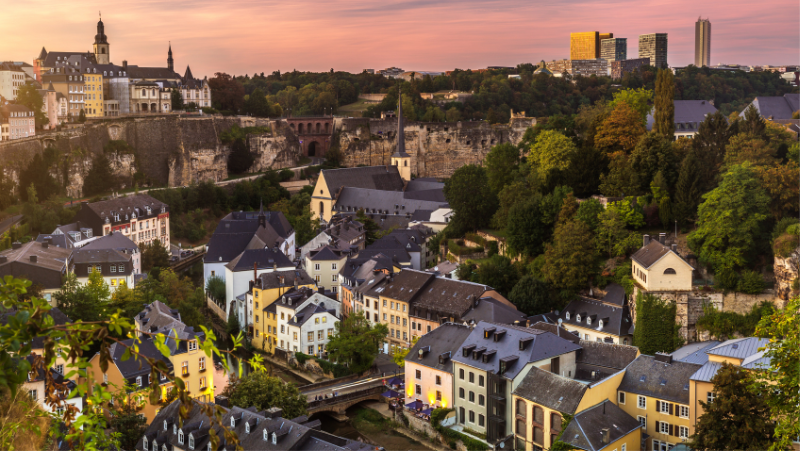
Luxembourg’s program is among the least-known in Europe. The income threshold is modest relative to the country’s cost of living, making the financial bar easier to clear than the practical one, as Luxembourg is one of the most expensive countries in the EU to actually live in. The citizenship path is notably shorter than most European peers.
- Minimum income: Approximately €24,000 per year (approximately €2,000 per month) as of 2025, indexed to Luxembourg’s monthly social inclusion income. Income must be stable and recurring; lump sums or irregular payments do not qualify.
- Minimum stay: At least six months per year to qualify for permit renewal. Luxembourg citizenship requires uninterrupted presence for the 12 months immediately preceding the application.
- Path to citizenship: Permanent residency is available after five years of continuous legal residence. Citizenship by naturalization is also available after five years, subject to a Luxembourgish language test and an integration course. Luxembourg permits dual citizenship without restriction.
🇱🇻 Latvia: Independent Means Residence
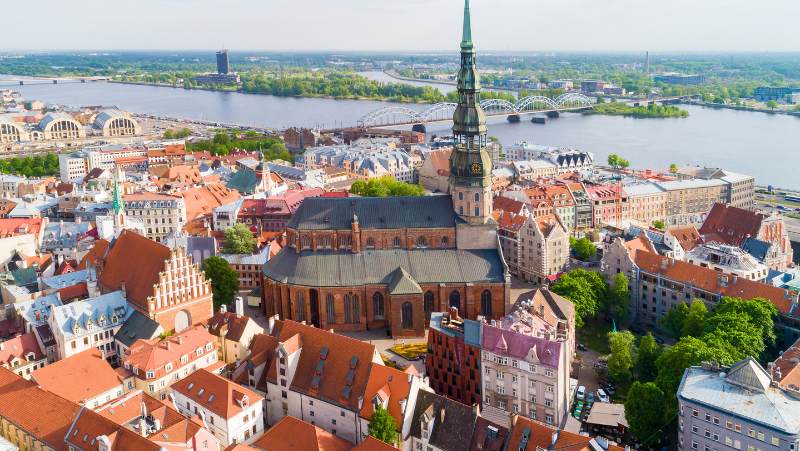
Latvia’s two-tier structure, separating pension income from general financial independence, is relatively uncommon among European programs and gives retirees a more accessible threshold. The long naturalization timeline (ten years) is the main trade-off.
- Minimum income: €1,101 per month for retirees (double the average Latvian old-age pension); €2,220 per month for financially independent non-retirees. Additional family members require €740 per month for adults and €222 per month for minors.
- Minimum stay: No published mandatory minimum stay to maintain the permit, though applicants must meet Latvia’s residency requirements for the permanent residency application (four of five years physically present).
- Path to citizenship: Permanent residency is available after five years of qualifying residence. Latvian citizenship by naturalization is granted after 10 years, subject to passing the Latvian language, history, and constitution exams.
🇵🇹 Portugal: D7 Visa (Passive Income Visa)
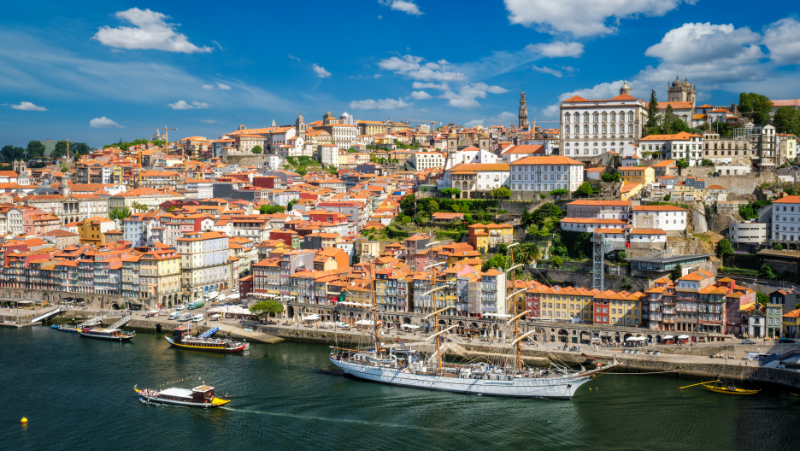
Portugal’s D7 is the most affordable passive income visa in Europe by income threshold, and remains one of the most popular globally. The 2026 nationality law change extended the citizenship timeline from five to ten years for most applicants, which is a meaningful shift for anyone choosing Portugal primarily as a path to an EU passport. Holders may work legally in Portugal once their residence permit is issued, which is a notable flexibility not available in most comparable programs.
- Minimum income: €920 per month (€11,040 per year) for the main applicant as of 2026, pegged to Portugal’s national minimum wage. The threshold increases by 50% for a spouse and 30% per dependent child.
- Minimum stay: 16 months of physical presence within the first two-year permit period. This threshold carries real weight: failure to meet it results in non-renewal.
- Path to citizenship: Under Lei Orgânica n.º 1/2026, effective May 2026, the citizenship threshold for non-EU/CPLP nationals was extended to ten years of legal residence (seven years for EU and CPLP nationals). Permanent residency is available after five years. A basic Portuguese language test (A2 level) is required for citizenship.
How These Programs Compare
The 10 programs fall into a few distinct categories when viewed as a group.
- Lowest income barriers: Portugal’s D7 (€920/month) and Latvia’s retirement route (€1,101/month for pensioners) are the most accessible by income threshold. Both lead to citizenship, though on different timelines.
- Highest income barriers: Ireland’s Stamp 0 (€50,000/year for a single applicant) and Switzerland’s lump-sum regime (CHF 434,700+ per year at the federal minimum) are built for a different wealth tier entirely.
- Best citizenship paths: Luxembourg and Portugal offer the clearest routes. Ireland’s Stamp 0 offers no citizenship path.
- Most restricted: Liechtenstein.
For the right applicant, each of these programs offers something that golden visas don’t: residency without capital at risk, without fund lock-ins, and without the management overhead of a qualifying asset. Proof of income, it turns out, can open the same doors as a multi-figure investment.