New Zealand will allow wealthy foreign nationals to direct a portion of their Active Investor Plus (AIP) visa commitment toward charitable causes starting June 1, 2026, in the latest adjustment to a program that has attracted growing interest since its April 2025 overhaul.
Under the change, applicants in the visa’s Growth category will be permitted to allocate up to 20% of their NZ$5 million (approximately US$2.9 million) investment requirement into donations to registered charities or approved conservation initiatives. The remaining 80% must continue to flow into higher-growth assets such as businesses or managed funds.
Immigration Minister Erica Stanford said the change followed meetings with investors and charities who asked for a mechanism to contribute directly to social, environmental, conservation or cultural causes in New Zealand.
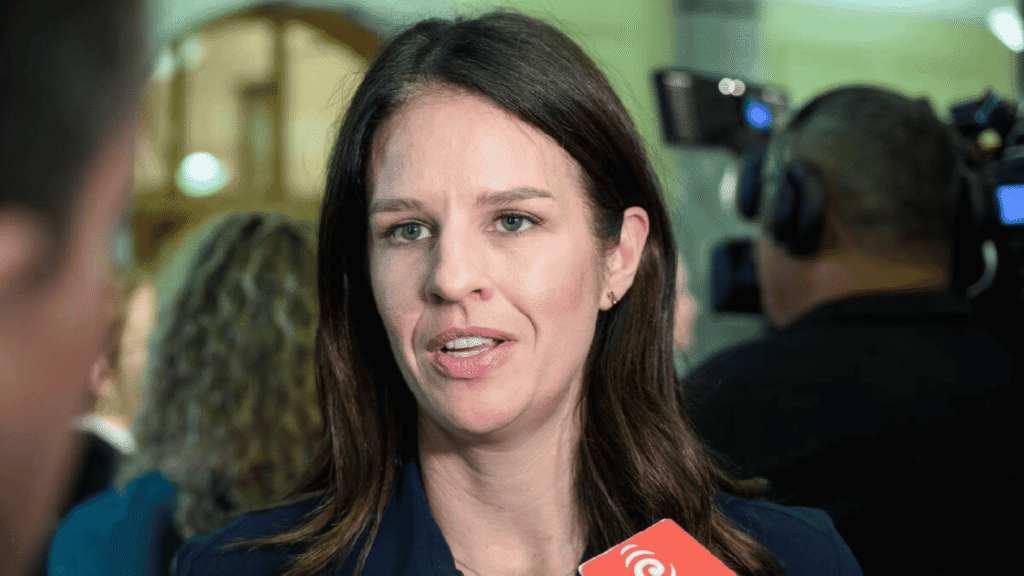
“Charities make invaluable contributions to our communities,” she said in a statement Monday, framing the change as both an investor attraction measure and a direct benefit to the non-profit sector.
What the New Philanthropy Rule Changes
The June 1 change applies only to the program’s Growth category and does not alter the Balanced category’s requirements. The philanthropic element is capped at NZ$1 million, or 20% of the total investment requirement, per applicant and must be directed toward registered charities or specified conservation initiatives within New Zealand.
Applicants cannot substitute the full investment requirement for charitable giving, and the program’s core structure, including its investment thresholds and stay requirements, remains unchanged.
The Growth category currently requires applicants to commit NZ$5 million to higher-risk assets over a three-year term, with a minimum stay of 21 days in the country during that period.
The Balanced category requires NZ$10 million over five years in a mixed portfolio of bonds, equities, and some property assets, with a 105-day stay requirement that can be reduced by investing more.
Both categories permit holders to live, work, and study in New Zealand indefinitely, with permanent residence available upon completion of the respective investment terms.
AIP Relaunch: 730 Applications and Counting; Americans Leading
Since its April 2025 relaunch, New Zealand’s Active Investor Plus visa has gained considerable traction.
Applications have reached 730 as of May 20, 2026, up from 609 in late April and 573 in February, meaning at least 150 applications have come in during 2026 alone.

The 730 applications on file represent a potential minimum of NZ$4.3 billion in foreign investment into New Zealand, should all applicants follow through and gain approval.
By late April, NZ$1.5 billion had been deployed, with a further NZ$2.4 billion committed, bringing the total to nearly NZ$4 billion within the program’s first year.
Approvals appear to have kept pace with demand. As of February, 430 applications had been approved in principle, and 182 applicants had been granted resident visas.
The Growth category has been the clear preference, accounting for 468 of the 573 applications recorded in February, against 105 in the Balanced category.
Americans account for roughly a third of all Active Investor Plus applications to date, making the United States by far the largest single source of applicants.
China and Hong Kong follow, with Germany, the Netherlands, Japan, and Great Britain also represented among the top source countries.
New Zealand’s AIP in a Global Context
New Zealand’s NZ$5 million (US$2.9 million) entry point places the Active Investor Plus visa at the higher end of the global investment migration market, with only a handful of residency programs globally operating at a comparable threshold.
Hong Kong’s Capital Investment Entrant Scheme requires HK$30 million, approximately US$3.8 million, and has logged over 3,000 applications since its 2024 relaunch, representing an anticipated US$12 billion in investment.
Singapore’s Global Investor Program recently raised its minimum to SGD 10 million, approximately US$7.4 million, making it among the priciest programs globally.
The United States’ Gold Card, which President Trump launched in December 2025, starts at US$1 million for individual applicants, though it operates as a donation rather than a returnable investment.